
WRITE LIKE YOU LIVE A Songwriter's Field Guide — The Harry Method
How I build verses, bend words, and bleed on the page — pulled straight from a decade of my own catalog.
Everything below is drawn from my actual lyrics — the ones I’ve been stacking for years. This is the closest thing I have to a blueprint.
But read this part twice before you read anything else:
This is a guideline, not a rulebook. I’m handing you a map, not a cage. Every “rule” in here, I’ve broken on purpose and it worked. The goal isn’t to write like me — it’s to write like you, with your hand a little steadier. Take what serves your voice. Leave the rest at the door.
1. Start With Something True
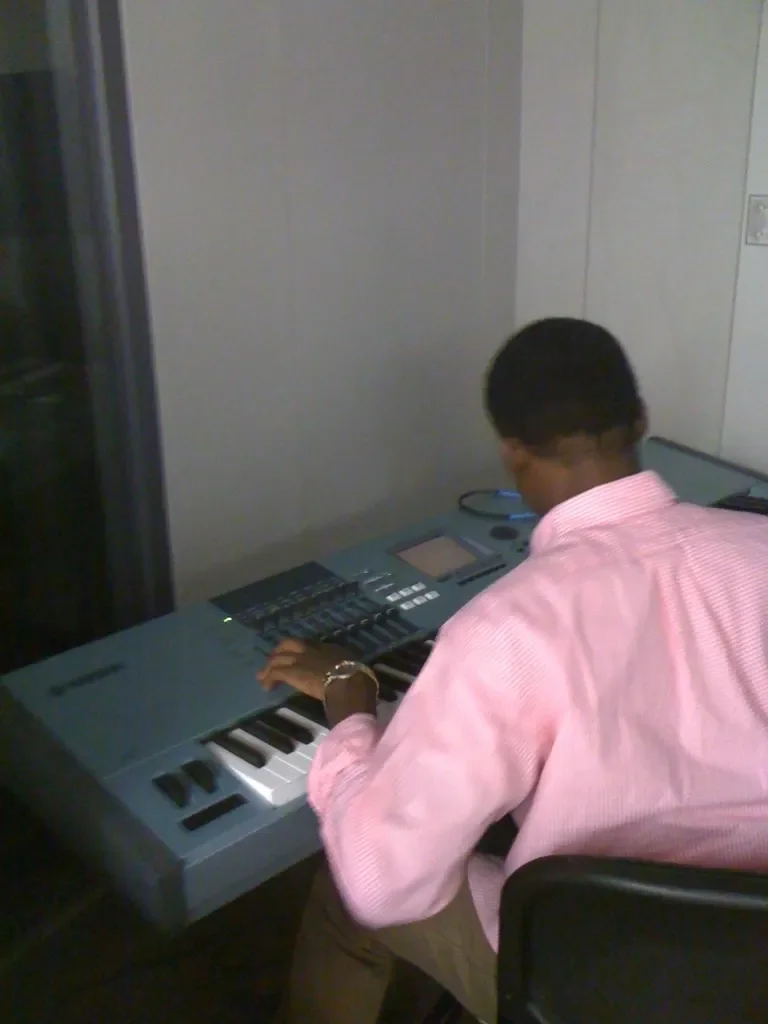
Every technique in this guide is a delivery system for one thing: the truth. If the truth underneath the bar is fake, no amount of wordplay saves it. If it’s real, you can dress it however you want.
The verses I’ve written about my cousin Khalil are the ones people quote back to me the most, and they’re the plainest lines I’ve ever written:
More than a cousin more than a friend And for you big dog I’m going in
No metaphor gymnastics. Just the fact, said clean. The craft I’ll teach you in the next sections is what you reach for around moments like this — never instead of them.
Try this: Before you write a single clever line, write one sentence that’s just true and a little uncomfortable to say out loud. Build the verse outward from there.
2. The Double Meaning Is The Whole Point
This is the engine of my style. I don’t want a word to mean one thing when it can mean two.
Watch what happens when I put my city in a bar:
I’m from the D so I’m better made
“Better made” is bragging — I’m built better. But Better Made is also the Detroit chip brand every kid from home grew up on. One phrase, two doors: the flex and the hometown. If you’re from the D, you feel seen. If you’re not, you still get the swagger. Nobody loses.
That’s the move — the homophone / soundalike flip. Take a proper noun and make it do something:
Have her run thru the city like Mel Farr / She a runner she a track star
Mel Farr ran the ball and ran the biggest dealership in Detroit. “Runner” collects both.
Try this: Pick a name — an athlete, a brand, a place. Ask “what does this name already do in people’s heads?” Then write the line so the name and the action are the same word.
And the reminder: don’t force it. A double meaning that makes you squint isn’t clever, it’s homework. If it doesn’t land in one listen, cut it or save it.
3. Reference Like You’re Actually From Somewhere
Generic writing is forgettable writing. The specific is what travels.
In one stretch I move through Telfar, Goyard, Van Cleef, Acne Studios, and shell toes — but the shell toes are the tell. Anybody can name-drop luxury. Pairing it with the shoe you actually grew up in is what makes it you. Specificity is a fingerprint.
And the references aren’t decoration — they carry the meaning:
Same water Christ was drinking this is not voss My destiny tell me go long imma go moss
Faith and football in two lines. “Go long, go Moss” is a deep route and a Randy Moss reference and a statement about how far I’m willing to go. The reference did the work three ways.
Try this: Take a bar you’ve written that uses a generic image (”nice car,” “expensive drink”). Swap it for the exact one from your real life. Watch it get better instantly.
4. Rhyme Is Rhythm — Not Just Matching Sounds
Beginners rhyme the last word. Writers rhyme the shape of the whole line.
I chain sounds so the internal rhymes carry the momentum, not just the end:
No long talk keep it short like an interlude But keep em tuned in like a Kanye interview
“Interlude / tuned in / interview” — the vowels are doing the driving before you ever hit the end of the bar. That’s what makes a verse feel like it’s moving instead of just landing.
Stack your rhymes across syllables, not just on the last beat. Let the middle of the line rhyme with the middle of the next one. That’s the difference between a rap and a flow.
But hear me: perfect rhyme is a tool, not a tax. Sometimes the honest word doesn’t rhyme, and the honest word wins. I’ll break a rhyme scheme in a heartbeat if the truth is on the other side of it. (See Section 1.)
5. Hooks: Say The Thing They’ll Repeat
A verse is where you prove you can write. A hook is where you prove you understand people. The hook is the part they say back to you at the show — so it has to be sayable.
The best hooks are usually short, physical, and a little bit of a mantra:
When I put on my war clothes I’m coming to shoot, I ain’t leaving with no holes
“War clothes” is an image you can wear. It’s a posture, not a paragraph. When you’re writing a hook, stop reaching for your cleverest line and reach for your most repeatable one. Different job, different tool.
Try this: Say your hook out loud in the shower, in the car, walking. If you get tired of saying it, they will too. If you keep saying it without meaning to — that’s the one.
6. Structure Is A Suggestion
Verse, hook, verse, hook, bridge. Cool. Now forget it whenever you need to.
Some of my strongest moments break the container. A verse that ends mid-thought because that’s where the feeling actually stopped:
And I just don’t understand why did the lord do it He could’ve chose to heal him but why didn’t he choose I just don’t get it / I can’t even go on
That’s not a “complete” verse by the rulebook. It stops because I stopped. The structure served the emotion instead of the other way around. If a song needs three hooks and no bridge, give it three hooks and no bridge. The form works for the feeling — never the reverse.
7. Go To The Place That Scares You
The bars people remember are almost always the ones that cost you something to write.
I’ve put grief, faith, doubt about God, and the come-up all in the same records — the hot closet with “no beat and a mic,” the prayers over Khalil, the questions I don’t have answers to. That’s not oversharing. That’s the material. The polish is what you add on top of a wound, not instead of one.
You don’t have to bleed on every song. But somewhere in your catalog, there should be a verse you were a little nervous to release. If everything’s safe, nothing’s essential.
The Only Rule That’s Actually A Rule
Here’s the whole method in one breath:
Write something true. Then make every word do more than one job. Reference your real life. Chain your sounds. Say the repeatable thing. And break any of the above the second the song asks you to.
That last clause is the important one. I gave you seven sections and I’d throw all of them out for one honest verse. Techniques are how you get out of your own way — not a checklist to grade yourself against. The rules are training wheels; the point was always to ride.
Now go write something only you could’ve written.
Before You Go — Support The Work
If this guide gave you something, the best way to say thanks is to plug into the music itself — it’s where every one of these techniques lives in full.
🎧 Buy the music. Cop the merch. Every tee, every piece, every record in the catalog is up now — this is independent, artist-owned, hand-drawn work, and your support is what keeps it that way. Grab something that means something.
🚨 And the big one — HARRY ROMANTICA is coming soon. 🚨 This is the project all of this has been building toward. If you want to hear the method at full volume, this is it. Stay close so you don’t miss the drop.
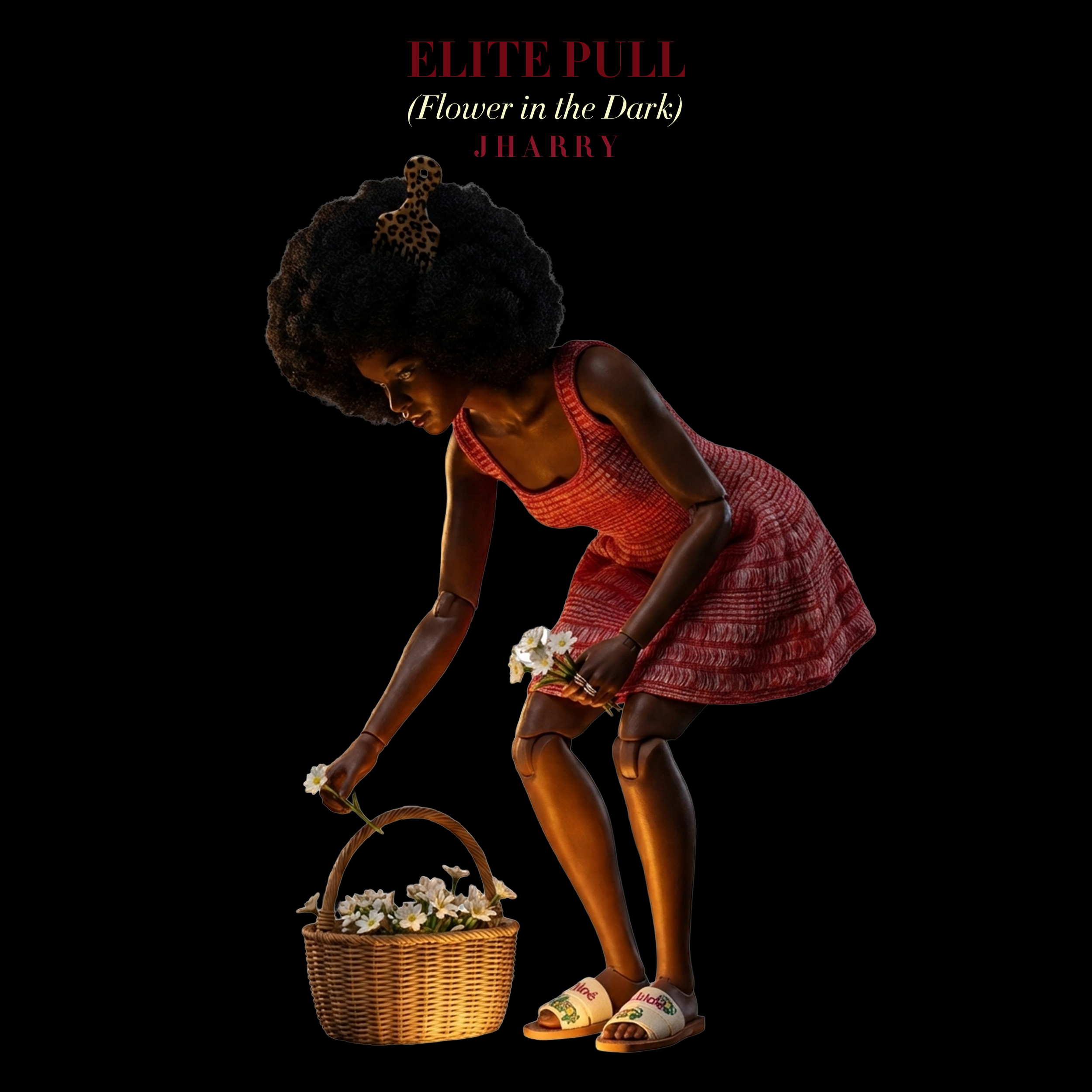
Everything — music, merch, and the drop — lives in one place.
visit gettothecorner.com follow me on x.com/onlyonejaevonn