
Hold Up Wait A Min: How Meek Mill Should Respond to the LeBron 23 "Dreams & Nightmares" Situation.
May 26, 2026
There are moments in culture where someone gets their pockets picked in broad daylight and the crowd argues about whether it was actually stealing. This is one of those moments.
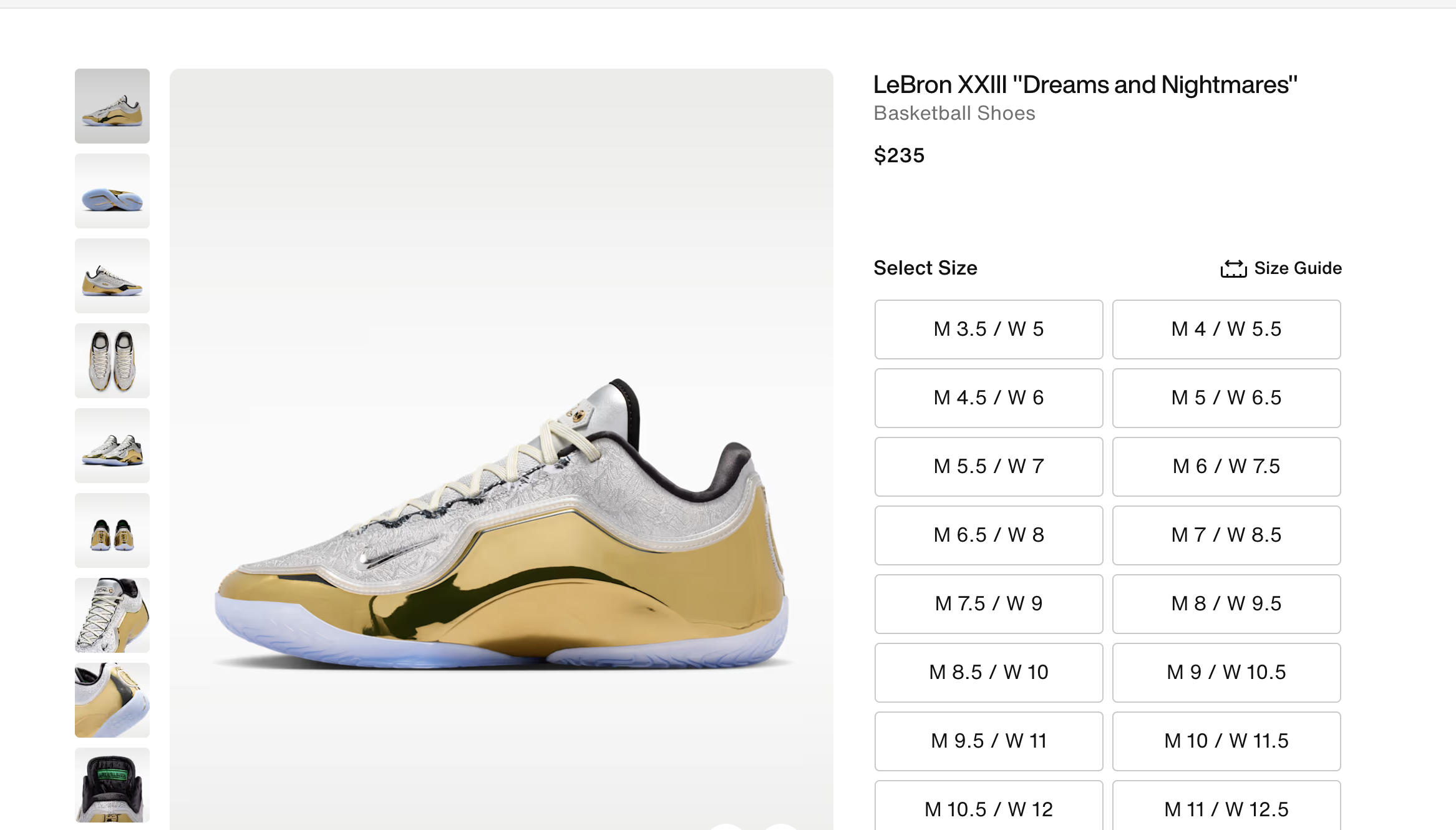
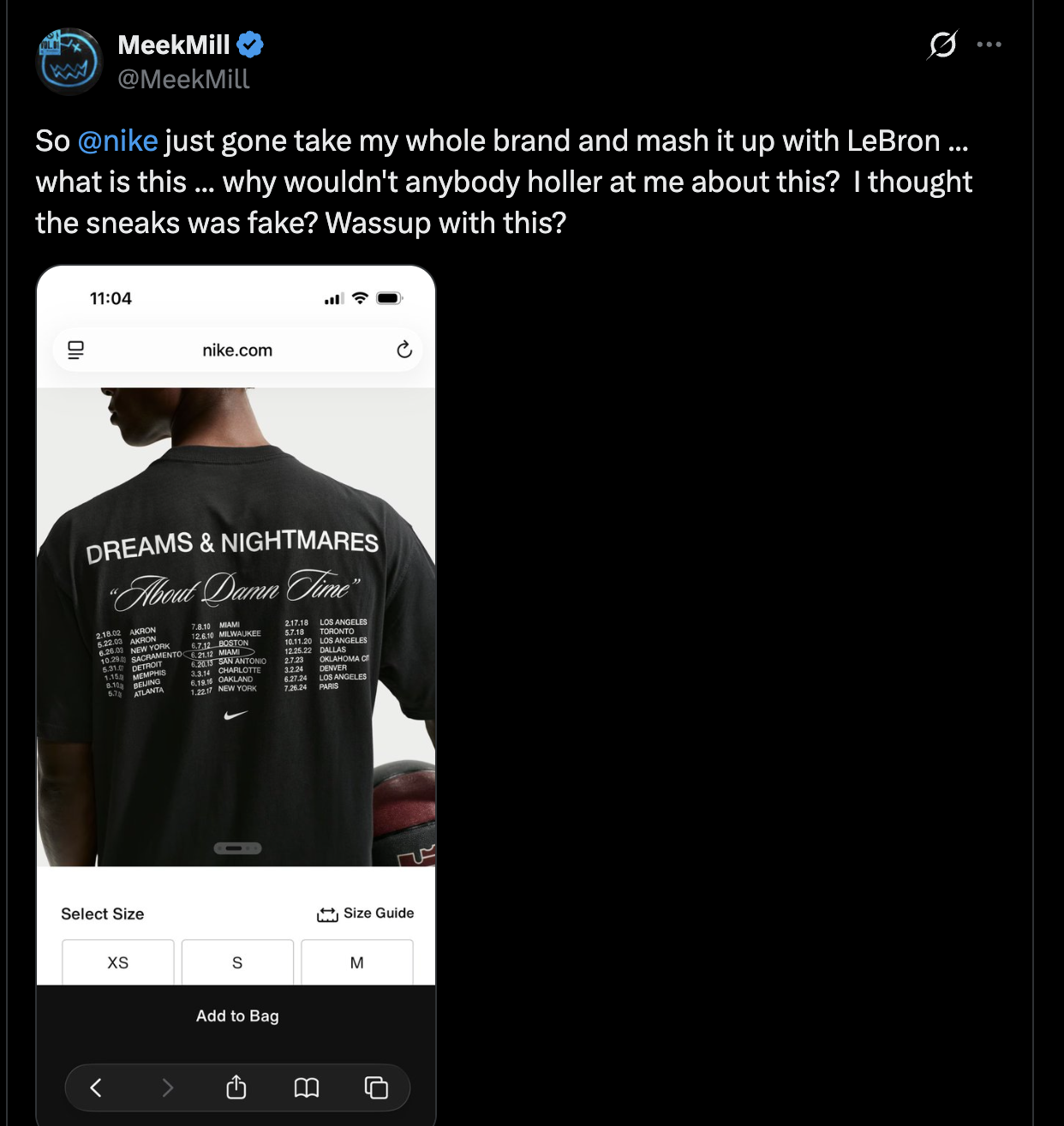
By now you've seen Meek Mill's post. Nike dropped the LeBron 23 "Dreams & Nightmares" — shoes and apparel — built around a celebration of LeBron James' 23 seasons and the specific energy of his first championship in 2012 Miami. The back of the tee Meek screenshotted reads "Dreams & Nightmares / About Damn Time" with a tour-style date list running down the back. And when LeBron was asked after that first ring what it felt like, his answer on record was: "It's about damn time." Nike wove both phrases together into a full legacy product line.
Meek caught wind of it. Posted the back of the shirt. And the internet, as it does, turned on him before he even finished the sentence.
Let's slow down and actually look at what happened here.
What Nike Actually Did
This isn't an isolated tee. The LeBron 23 "Dreams & Nightmares" is part of Nike's larger season-23 legacy campaign honoring LeBron's career across apparel and footwear. The shoe itself, SKU IF0695-001 at retail $235, dropped May 26, 2026, built around the aesthetic of championship hardware: metallic gold lower, championship ring badge on the heel, icy blue outsoles. The colorway title draws directly from Meek Mill's 2012 debut album and its opening track, released the same year LeBron ended his ring drought in South Beach. Nike's own product copy acknowledges the connection, noting the "Dreams and Nightmares" name aligns with "one of the most quoted rap intros of the last decade."
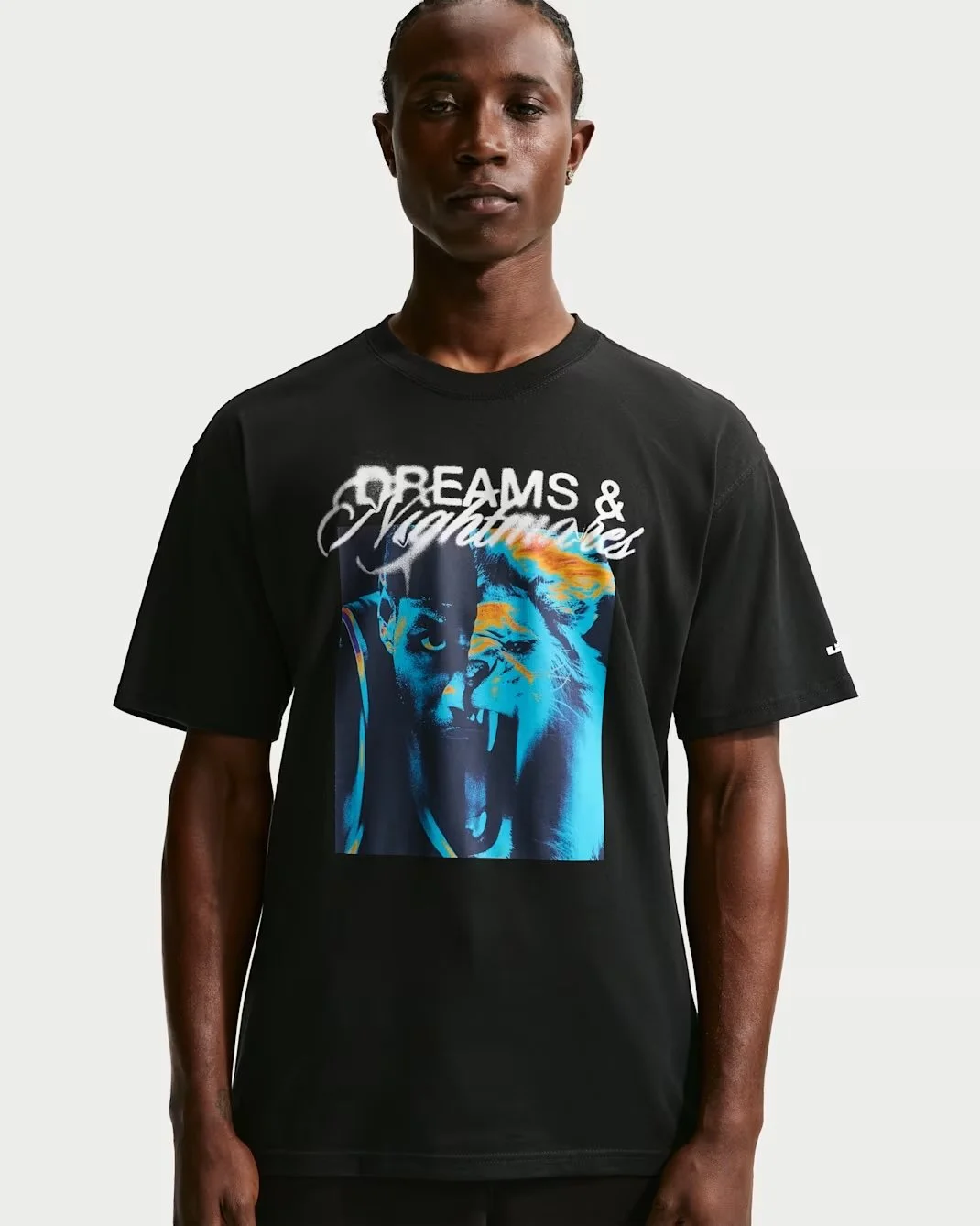
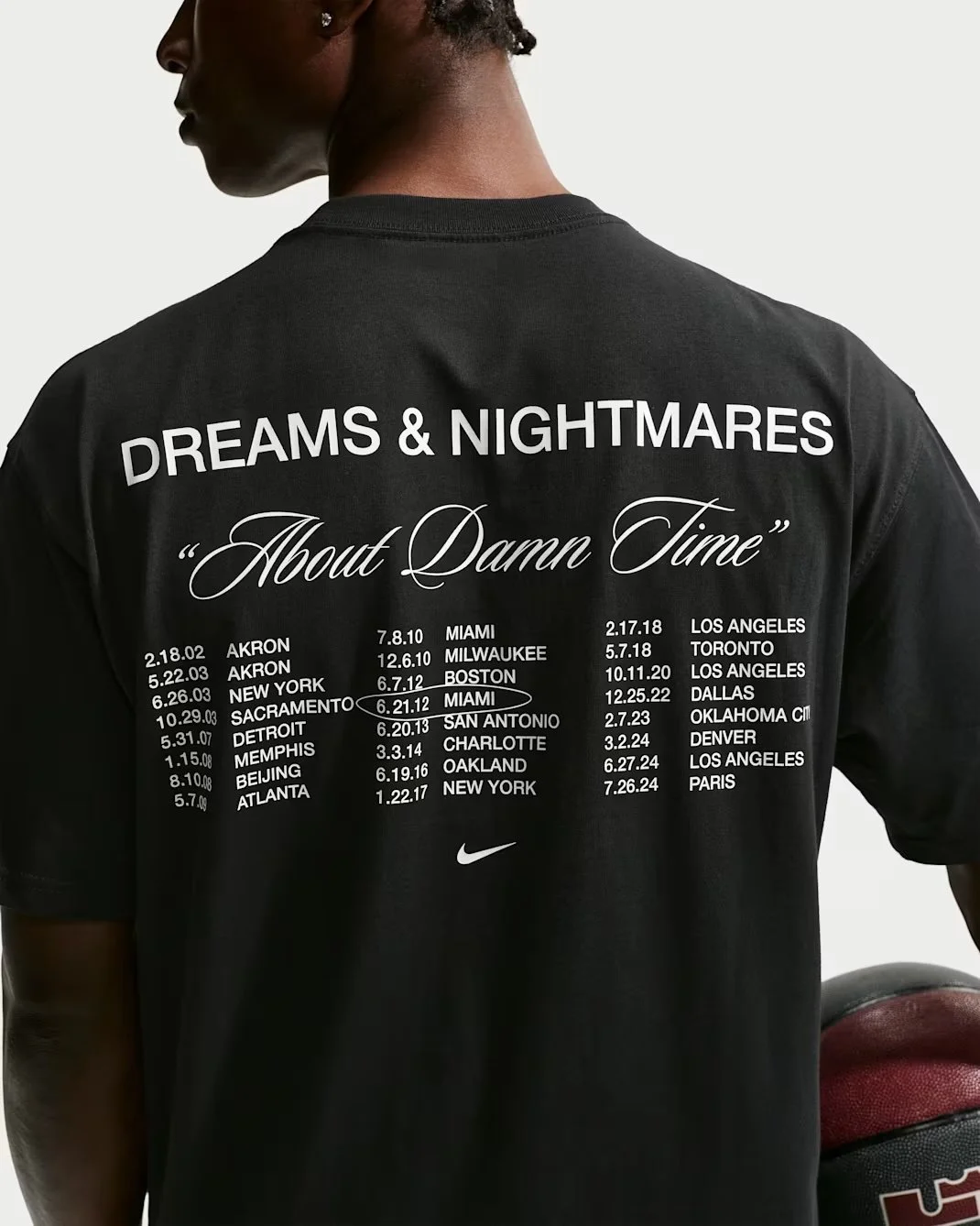
They know exactly what they're doing. They quoted the song's most famous line in their product narrative: "I used to pray for times like this." This isn't ambient inspiration. This is deliberate cultural borrowing with no credit attached.
The Trademark Situation (And Why It's Complicated)
Here's the part the internet is running with against Meek: the "Dreams & Nightmares" phrase wasn't formally trademarked for apparel until years after the song's release. The MEEK MILL trademark under Dream Chaser Records, Inc., Registration Number 5934993, filed May 23, 2018, does cover athletic apparel including shirts, pants, jackets, footwear, hats and caps. The song dropped in 2012. The album dropped in 2012. The trademark registration on that specific phrase for clothing came six years later.
Does that mean Nike gets a free pass? Not necessarily. Trademark law isn't the only framework here. There's also the concept of trade dress — the overall commercial impression a name creates in the marketplace. After 14 years of Meek Mill's identity being inseparable from "Dreams & Nightmares," after the Eagles ran it out at Super Bowl LII as their intro, after it became arguably the most recognizable hype song in American sports culture, the argument that Nike's use creates consumer confusion and trades on Meek's established commercial identity is real. It's not frivolous.
But that's a courtroom argument. And courtrooms take time, money, and discovery processes that cut both ways.
Why Court Is Not the Move
Nike is a $30 billion company with a legal team that's been navigating IP disputes since before Meek was born. LeBron's own brand infrastructure around the LeBron line is bulletproofed. And here's the strategic reality: even if Meek wins a licensing agreement or a settlement, it likely stays quiet, and the general public never knows he won anything. The cultural narrative stays muddled.
More importantly, a lawsuit puts Meek in a reactive posture for potentially years. Reactive is the worst place for an artist to be.
The Real Mistake: Going Public Without a Plan
Meek's instinct was right. His execution was off.
Posting the back of the shirt — a shirt that, on its face, looks like a LeBron legacy tee — invited immediate dismissal. The internet didn't see the title. They saw a rapper claiming ownership of a commonly used phrase and demanding credit from the biggest athlete brand on earth. That framing destroyed the opening position.
Here's what the post needed to communicate clearly: this is a branded cultural identity that Meek has built for 14 years. The phrase isn't incidental — it's his debut album title, his signature song, the track the Philadelphia Eagles played walking into the Super Bowl. It's what crowds scream when that beat drops. Nike didn't just use a phrase. They used his sonic brand to sell sneakers for someone else, without a conversation, without a check, and without so much as a tag.
That's a real grievance. It just needed to be presented like one.
Step Zero: Seed the Narrative Before You Touch It
Meek doesn't need a lawyer right now. He needs a campaign director. And before that campaign director does anything public, he needs one thing first: a credible outside voice.
Find one respected voice — a music journalist with institutional weight, a cultural commentator who doesn't owe Nike anything, someone with reach and no financial stake in the outcome — and give them the full timeline privately. Let them write the piece. Let them make the case. When the argument for Meek comes from someone with no skin in the game, it reads as truth. When it comes from Meek himself first, it reads as complaint. The goal is to have the culture already nodding before Meek opens his mouth again. That sequencing changes everything.
Step One: Make the Case Publicly, But Make It Airtight
Once the outside narrative has legs, Meek drops his own statement. Not reactive, not emotional — informational. The full timeline. The 2012 release. The double platinum. The Super Bowl entrance. Fourteen years of stadiums, arenas, and gyms losing their mind to this song. Show both the shoe and the front of the tee — the front is where the visual design gets harder for Nike to explain away. Make people see what was borrowed and from whom.
Step Two: Let the Supporters Carry It
Once the framing is clear and accurate, the culture does the work. Public accountability from an informed fanbase is more powerful than any legal filing for brand purposes. Nike cares deeply about cultural perception — that is the entire premise of the campaign they built around this song in the first place. You don't need to win in court if you win in the streets first.
Step Three: Drop Product. Immediately.
Two limited shirts — hand-drawn, not AI-generated, not stock graphic design. Real craft. The kind of thing that can't be confused with anything Nike made. A Dreams & Nightmares vinyl pressing for collectors: the original song, radio edit, acapella, remastered, instrumental, a DJ remix, jersey club edit if you can lock it in. Eight-inch single for the crate diggers. One new song carrying that energy into 2026. A video a week later. An EP a week after that.
That sequence forces a conversation about legacy — Meek's legacy — entirely on his terms, timed to the exact moment when the most eyes are on the name. You redirect the story from "rapper mad at Nike" to "rapper proves why the culture belongs to him in the first place."
That's how you dilute the Nike product. Not by blocking it — but by flooding the market with so much authentic Meek Mill "Dreams & Nightmares" energy that anyone who buys the LeBron shoe is also buying the reminder that the phrase belongs to a North Philly kid who was praying for times like this before LeBron's ring made it fashionable.
What Meek Should Not Do
Do not clap back at LeBron specifically. Bron didn't design the shoe. The culture respects both of these men and a binary conflict serves nobody's legacy.
Do not continue to think this out loud in public. Draft the statement with your team. Shape the narrative before you release it. The first post already cost leverage — the second one needs to be surgical.
Do not rush to court. Preserve that option. Keep the receipts. Talk to IP counsel privately. But let the cultural play run first.
And for the love of God — do not brag about AI graphics in the middle of this fight. We'll get to that.
The Bottom Line
Nike built a $235 sneaker and a full apparel campaign around the cultural weight of Meek Mill's name, his phrase, and the emotional identity he spent 14 years constructing — and gave him nothing for it. Not a conversation. Not a feature. Not a courtesy call.
That's a real story. And told right, it's a story that puts Meek in the best position he's been in publicly in years: as the origin point of something so powerful that the biggest sports brand on earth borrowed it without permission.
The song was the intro to his debut album. Now let it be the intro to his next chapter.
Editor's Note: I Found This After I Wrote All of That
I had this entire piece written, edited, and ready to publish. Then I went back on X and found this.
While the internet was processing the Nike situation and people were starting to ask real questions about Meek's leverage, Meek responded to a post about the comparison between his Dreamchasers 3 artwork and the Nike tee with: "And my ai graphics are better btw."
Bro.
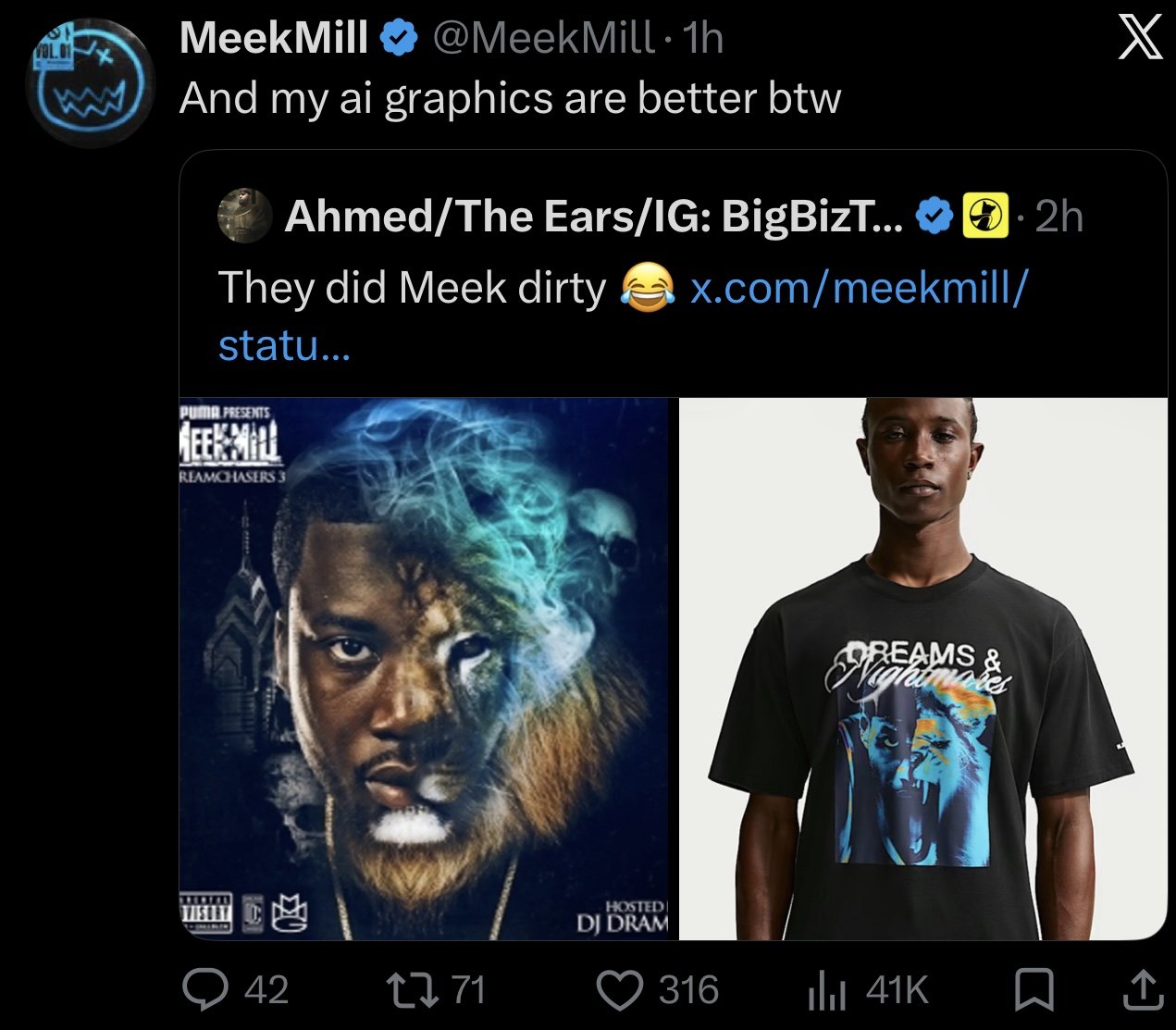
I went wtf bro, literally out loud. I wrote a whole roadmap that included "do not drop AI graphics, use real hand-drawn craft" as a specific line item — and in real time, while I was writing it, he was out here doing the exact opposite. Not even about the shirt anymore. Just... volunteering that he makes AI graphics. During a brand theft conversation.
This is why Step Zero matters. This is why you don't think out loud. The instinct was right. The execution keeps being the problem.
Read this first next time, Meek. Then talk to your team. Then post.
visit gettothecorner.com follow me on x.com/onlyonejaevonn