
WHO DECIDES WHAT YOU’RE RESPONSIBLE FOR?
Spider-Man, growing up, and the scary freedom of deciding what’s actually yours to carry
I rewatched No Way Home right after Brand New Day, and the second time through I stopped watching it as a Spider-Man movie. I started watching it as a bill coming due.
Because that’s what it is. The whole film sells you the thing you wanted — the cameos, the old villains, your childhood Spider-Man walking back onscreen. And then it charges you for it. May dies. MJ forgets him. Ned forgets him. The world forgets Peter Parker even exists. You wanted the reunion? Cool. There’s a cost to that. Most people filed that under fan service. It’s not. It’s the whole thesis, and it’s sitting on top of a bigger question the movie never says out loud but never stops asking:
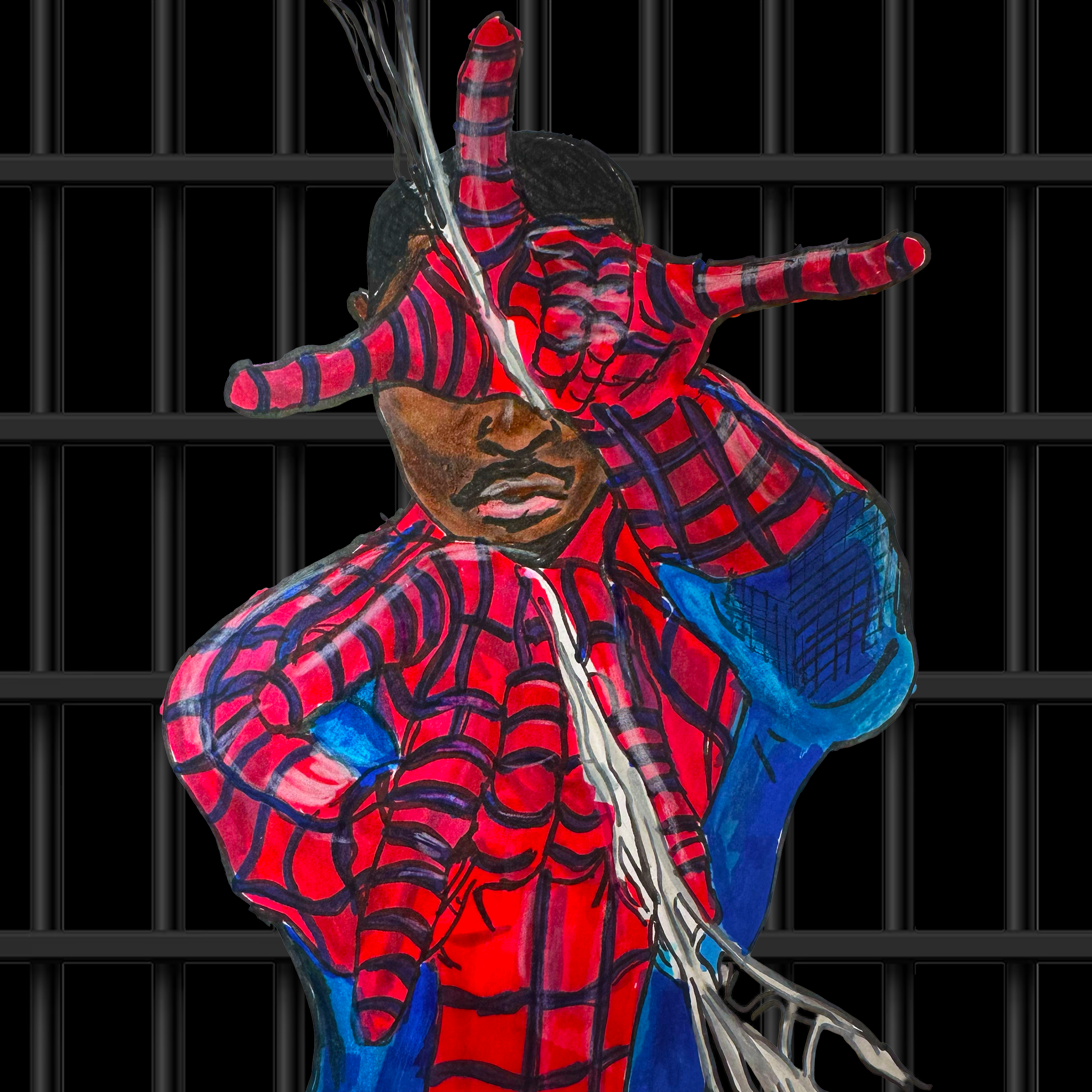
What actually makes something your responsibility?
Not the everyday version — pay your bills, show up to work, don’t leave your people hanging. I mean the real one. Do you become responsible because you caused it? Because you could fix it? Because somebody told you to? Because God gave you the ability and now you can’t un-know that you have it? Or because you looked at a situation that had nothing to do with you and decided I can’t know I could’ve helped and still walk away?
The older I get, the more I realize that question isn’t a Spider-Man question. It’s the whole job of being a grown man.
Peter Didn’t Cause None of This
Here’s what threw me the first watch: most of what Peter’s asked to fix, he didn’t break.
He didn’t turn Norman into the Goblin. He didn’t build Doc Ock’s arms. He didn’t fry Electro. These are grown men who showed up already ruined, carrying tragedies that were fully in motion before Peter ever knew their names. So Strange’s whole position makes sense — send them back, restore order, this isn’t yours to fix. And real talk, first time through, I was with Strange. Why is this kid about to risk everybody he loves to save a bunch of men whose destruction he had nothing to do with? That’s not responsibility. That’s volunteering for somebody else’s disaster.
Then May flips the whole board with one idea: if you know they can be saved, does knowing make it yours?
That bothered me. Still does a little. Because if the answer is yes, then responsibility just got way bigger than guilt. You don’t have to cause the suffering to be on the hook for what you do about it.
But here’s the part I sat with longer, and it’s where I think a lot of people watch the movie wrong. Peter’s not as innocent as he looks. The reason Ock and Sandman and all of them are even standing in his universe is his spell. His wish to be forgotten is what ripped them out of their own timelines — most of them yanked straight out of the exact moment they were about to die. So run Peter’s own logic on Peter: you’re responsible for what you cause. He caused this. Not their villainy — that’s theirs. But dragging them into a fight they never asked for on a night they were supposed to be dead? That’s on him. May’s not inventing a debt out of nowhere. She’s naming one Peter created without meaning to. That’s the part that makes it stick.
So Did May Die for Nothing?
I’ll be honest, I go back and forth on May.
Part of me says she got herself killed for no reason. She stood on a principle — if good can happen, the sacrifice is worth it — and it cost her her life for men who, by any normal accounting, weren’t owed a thing. Peter didn’t owe them. She definitely didn’t owe them. So from where I sit, that’s dying on a hill you didn’t have to climb.
But “for no reason” only works if fault is the only reason to act. And that’s my ethic, not hers. Mine is causal — did you make the mess, then clean it up. Hers was never about fault at all. Hers was about proximity. Are you standing there. Can you help. That’s a completely different question, and just because I don’t fully rock with it doesn’t mean it’s nothing. She had a reason. I just don’t accept it. Those aren’t the same.
And honestly? The movie needs her to die on that hill. Because that’s what turns “with great power comes great responsibility” from a line Peter inherited from a dead uncle into something that cost him blood. Inherited responsibility is cheap. Anybody can repeat a quote. Bought responsibility — the kind you paid for — that’s the only kind that’s really yours.
But I’m not gonna pretend May’s philosophy doesn’t have a trap in it, because it does. If your whole code is let me be the one who carries it, people will call you a hero right up until there’s nothing left of you. Some of us learned young that love means carrying. Carrying the family. Carrying the relationship. Carrying everybody’s expectations, everybody’s disappointments, mistakes we didn’t even make. And because we can carry it, we decide we should. We get called mature for it. Selfless. Reliable. Strong. Nobody tells you those same words are what people say about somebody they’ve quietly decided it’s okay to drain.
So the philosophy needs one more sentence: being able to respond doesn’t automatically make every outcome yours. Wisdom isn’t just learning to pick things up. It’s learning where the edges are. You can care without controlling. You can help without adopting the whole problem. Sometimes being grown is stepping up. Sometimes being grown is looking somebody dead in the face and saying: this part is mine, that part is yours.
So Who Actually Gets to Decide?
This is the real question the movie’s asking, and it’s the one I can’t shake. Where does responsibility even come from? Does the universe deem you responsible? Are you born responsible? Or do you put it on yourself?
Because everybody’s got a claim on you. The law says you’re responsible. Your family says you’re responsible. Your job says so. Your faith says so. Your own conscience says so. And half the time they don’t agree — and then you have to decide which one of them actually runs you.
And that’s Peter’s exact crisis. Strange is the law — respect the rules, respect the limits, don’t blow up the world trying to save everybody. May is the conscience — if a person can be helped, their suffering matters whether you caused it or not. Peter can’t just obey one of them. He has to build his own answer out of both. Which, to me, is the actual definition of growing up: not blindly running the code your mama gave you, but sitting with it until you can say I considered this, and I believe it — not this is what I was taught. Inherited morality becoming chosen morality. That’s a much heavier thing to hold.
The one piece that isn’t up for debate is capacity. “With great power comes great responsibility” — we hear “power” and think laser eyes. But power is just ability. Money is power. Knowledge is power. Being the only person in the room who knows what to do is power. And ability changes the math, whether we like it or not. A toddler and a grown man both watch somebody fall in shallow water — we don’t blame them the same. Why? One of them could’ve done something. So “I didn’t cause this” can’t always be where the conversation ends. Spider-Man’s real burden was never that he can lift a car. It’s that once you can lift the car, walking past the person trapped under it becomes a decision you have to live with.
Youth Is Where the Rules Change on You Without Warning
When you’re a kid, responsibility gets assigned. Clean your room. Homework done. Home by ten. Grown folks draw the lines, name the consequences, tell you what’s yours.
Then you get older and something happens that nobody announces: the system changes. Same rules on the box, but now you’re the one who has to decide. Do I take care of my aging parent — how much? Do I keep showing up for the friend who keeps making the same mistake — for how long? Do I fix damage in my family I didn’t cause? When does helping turn into enabling? When does forgiving turn into betraying myself? When does protecting somebody turn into controlling them?
Nobody hands you the syllabus. That might be the scariest jump between being young and being grown — responsibility stops being something done to you and becomes something you have to read. And most of us are reading it for the first time in real time, with real stakes, no answer key. I said it plain on the record: kid trauma in adult space, tryna keep up with adult pace. That’s the whole transition in one bar.
Brand New Day Is When He Becomes Spider-Man Foreal
For three movies, Peter’s been soldier boy. And I mean that with love — he was equipped. Stark’s suit, Stark’s rules, Stark’s tech, Stark’s approval. Homecoming through No Way Home, he’s wearing responsibility that other people handed him. He’s carrying a mantle that other people are holding up for him. That’s not a knock. That’s just being young. Somebody’s always propping you up before you can stand on your own.
Then No Way Home strips every last prop. No Stark. No suit but the one he sewed himself. No MJ who knows him, no Ned who knows him, no name, no applause, no reward, nobody left who even understands what he gave up. And he still puts the mask on.
That’s the moment. That’s why Brand New Day feels different — because now nothing outside of him is holding the mantle up. No universe appointed him. Nobody’s watching. Nobody’s clapping. Nobody will ever know what it cost. And he chooses it anyway. That’s about the purest definition of responsibility I’ve got: doing what you believe you’re supposed to do when you could walk and nobody would ever blame you. Obligation says I have to. Real responsibility says I could leave. I’m not going to. The freedom to refuse is the whole thing that makes the yes mean something. No freedom, it’s just obedience. I wrote it into the verse without even fully clocking it — to be a hero to the world I made the pledge... the spider just hatched, with no egg. No egg. No shell. Nothing it came up in still holding it together. Just the choice.
And I’ll say the faith part plain, because it’s mine: that’s grace. Being called to repair something you didn’t break. Showing mercy to people who never earned it off you. Choosing to carry weight the world would fully excuse you for putting down. That’s not a superhero idea. That’s the oldest idea there is. Spider-Man just makes it something you can see.
That’s also exactly why he has to be a kid for it to land. Because for young people, responsibility almost always shows up imposed first — weight dropped on you before you’d ever have picked it up yourself. Growing up is the conversion. It’s taking what got dumped on you and deciding to carry it on purpose. Peter just does it in a suit.
A Brand New Day
That’s why the run from No Way Home into Brand New Day wrecked me a little. Strip it all the way down and what’s left is a young man, a homemade suit, a city, and a choice. The world doesn’t have to remember what he lost for the loss to count. The universe doesn’t have to sign off. He wakes up. Sun comes up. Mask goes on. He chooses again.
Maybe that’s the whole moment a boy turns into a man. Not when somebody finally gives him authority. Not when he gets strong enough. Not when everybody claps. But when he looks at it straight and knows:
There’s stuff I didn’t cause that might still be mine to fix. There’s people I don’t owe who might still deserve mercy. There’s sacrifices worth making, and sacrifices I need to be wise enough not to make. And there’s the weight the world will try to hand me, the weight people will try to force on me, and the weight I’ll pick up freely on my own — and the whole job is knowing the difference.
Maybe responsibility was never “is this my fault?” Maybe the grown question is “given that I’m standing here, what’s mine to do?” The answer won’t always be everything. It shouldn’t be everything. But once you see it, once you claim it, once you know for a fact nobody’s ever gonna clap for you carrying it — you stand on it.
And then tomorrow comes. A brand new day.
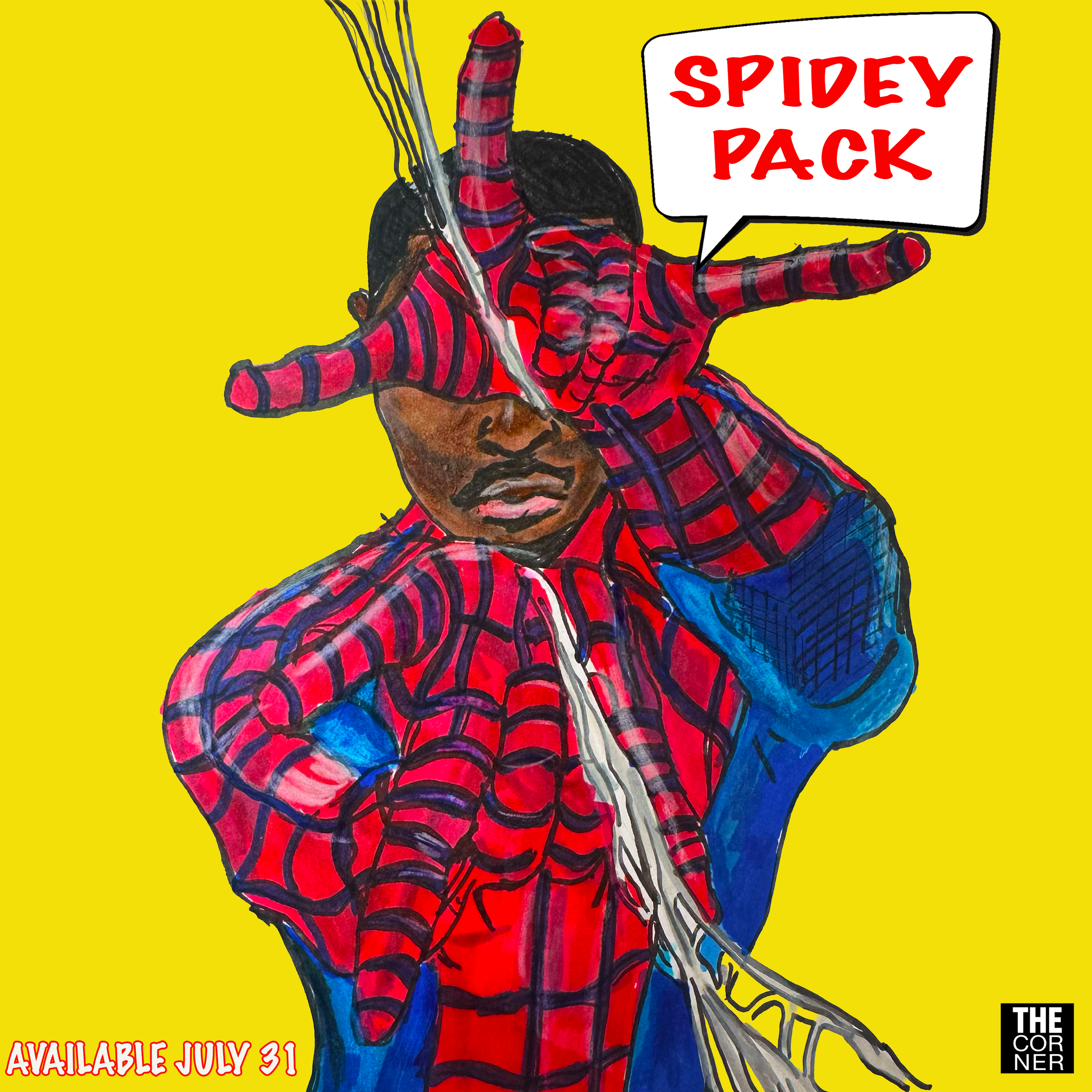
That’s the exact nerve I was hitting all over the Spidey Pack, and I didn’t fully clock it until this rewatch. I wasn’t writing about a movie. I was writing about this:
The sun out and the mask on My guard up and it’s teflon Think my heart been stepped on Never felt real pain so it’s slept on Imagine everything that you love gone It’s somewhere but not where it belong ... Kid trauma in adult space Like you just took a hulk punch to the face It’s a new world out there for me to face Freedom in a swing — can I get a taste
That’s not fan music. That’s the same question in a different suit. Sun’s out. Mask’s on. Play it again with all this in your ear.
Visit gettothecorner.com
Follow me on x.com/onlyonejaevonn